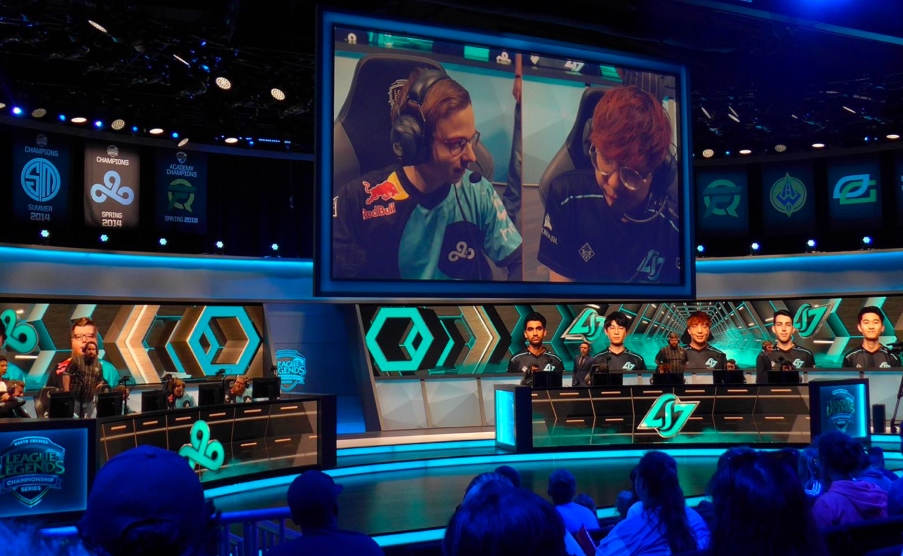
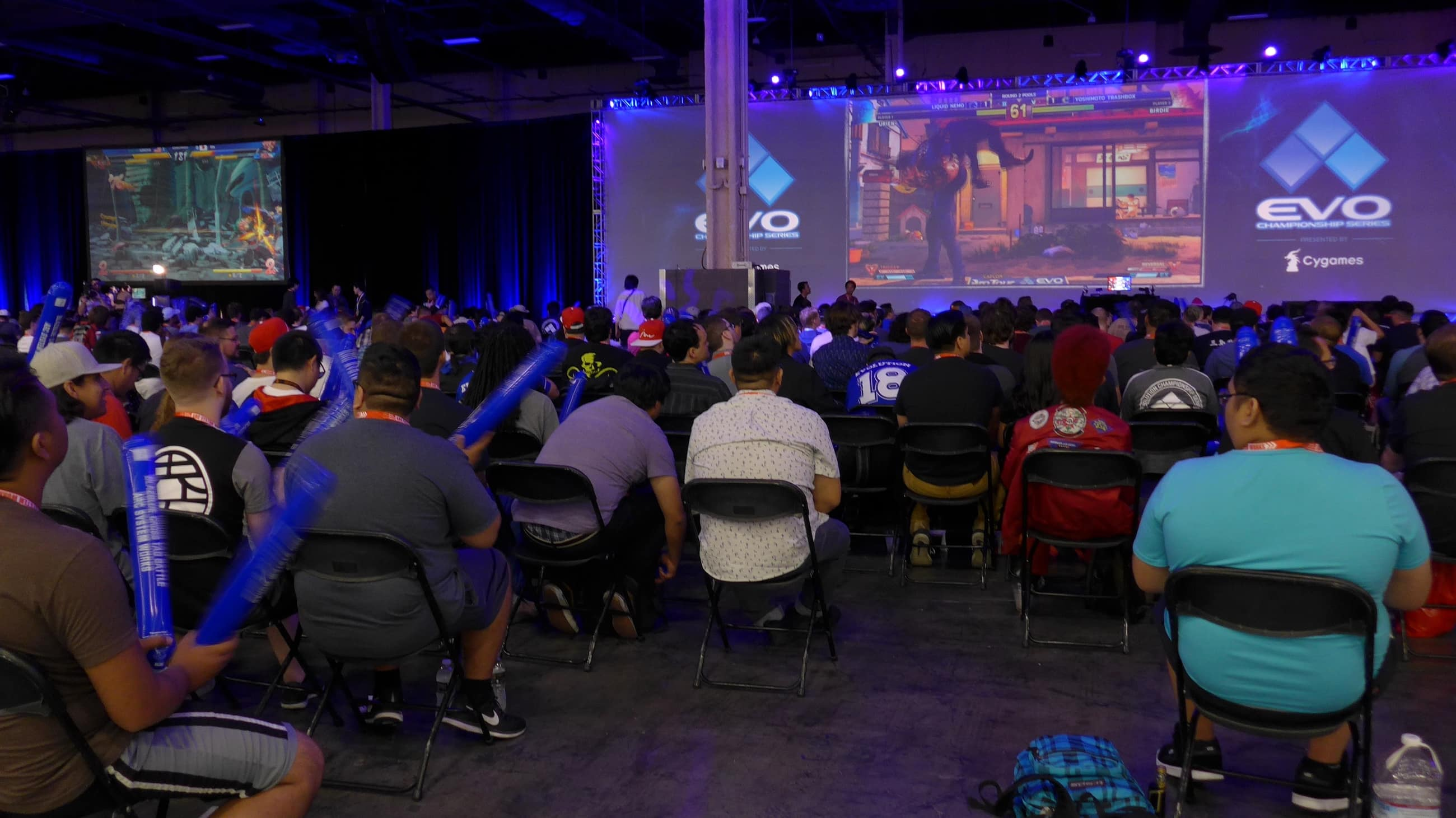
By the late 2010s, eSports had grown into a global phenomenon with over 380 million viewers worldwide. Professional gamers were trained like traditional athletes, fans filled stadiums for major tournaments, and leading sports brands were investing in this space to establish competitive gaming as an internationally recognized sport.
Context
The world of competitive multi-player video gaming, also known as eSports, is a much more structured industry than most expect. Fans gather in stadiums, both virtually and physically, to watch their favorite players compete. Popular games such as Fortnite, Overwatch, and League of Legends have official leagues, professional coaches, and rigorous training regimens. In every meaningful sense, playing video games competitively has become a legitimate sport and the eSports industry as of 2025 is valued at 1.6B+.
Challenge
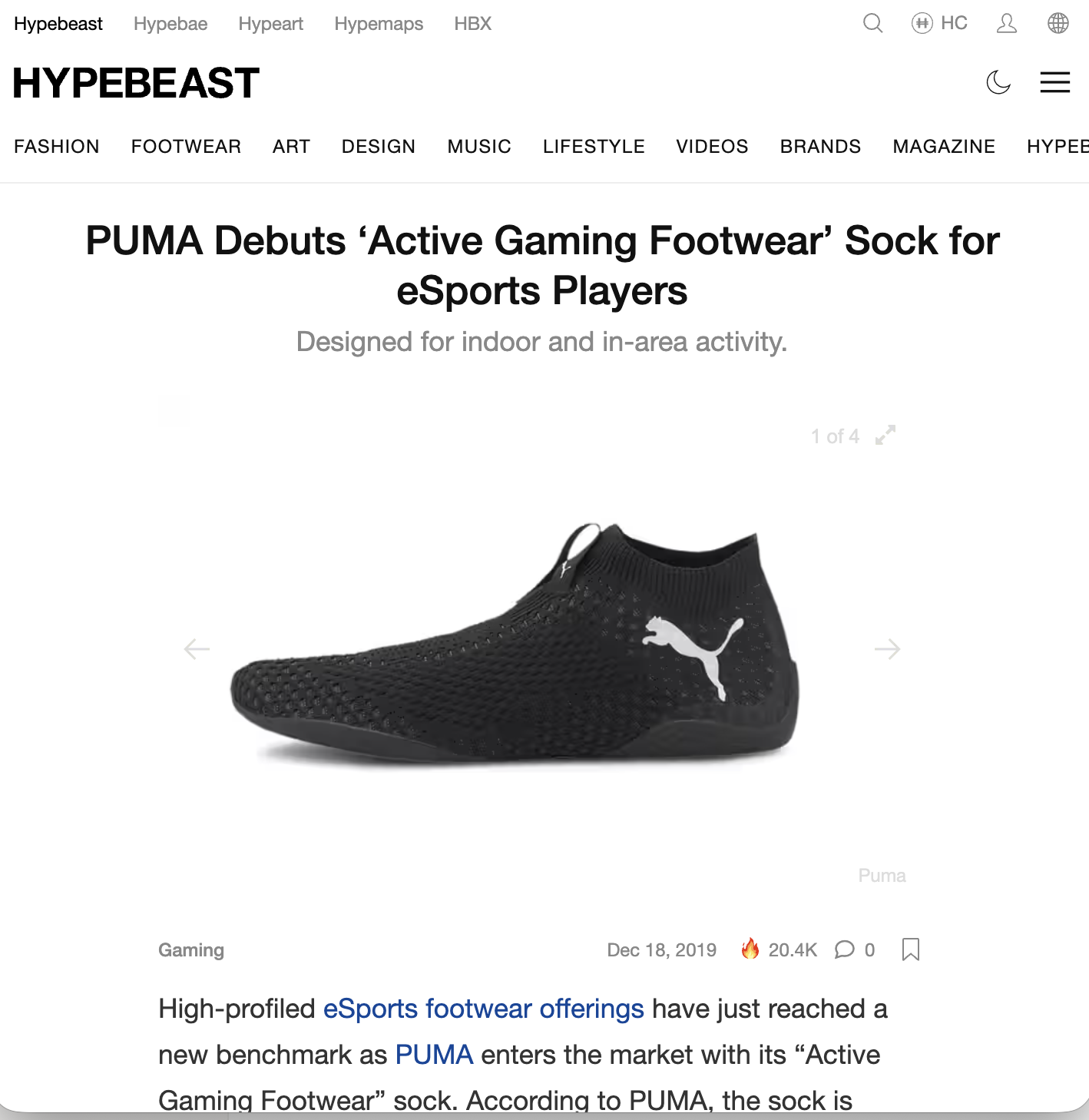
Puma recognized the shift from beloved past time to professional sport as an opportunity to expand the sports that they support. They engaged our design team to map the eSports ecosystem and identify innovative strategies to support and inspire both established esports players and aspiring ones through new products, services, and partnerships to serve this growing global audience.
Research
Approach
We immersed ourselves in the world of eSports by joining popular eSports platforms, studying popular games and following elite players in the industry on social media and game streaming platforms such as Twitch.
This online immersion provided early fluency in the cultural codes, hierarchies, and social dynamics of competitive gaming, allowing us to following existing trends and identify channels where we connected directly with players to arrange in-person visits for 1-1 interviewers and have them introduce us to their local scenes.
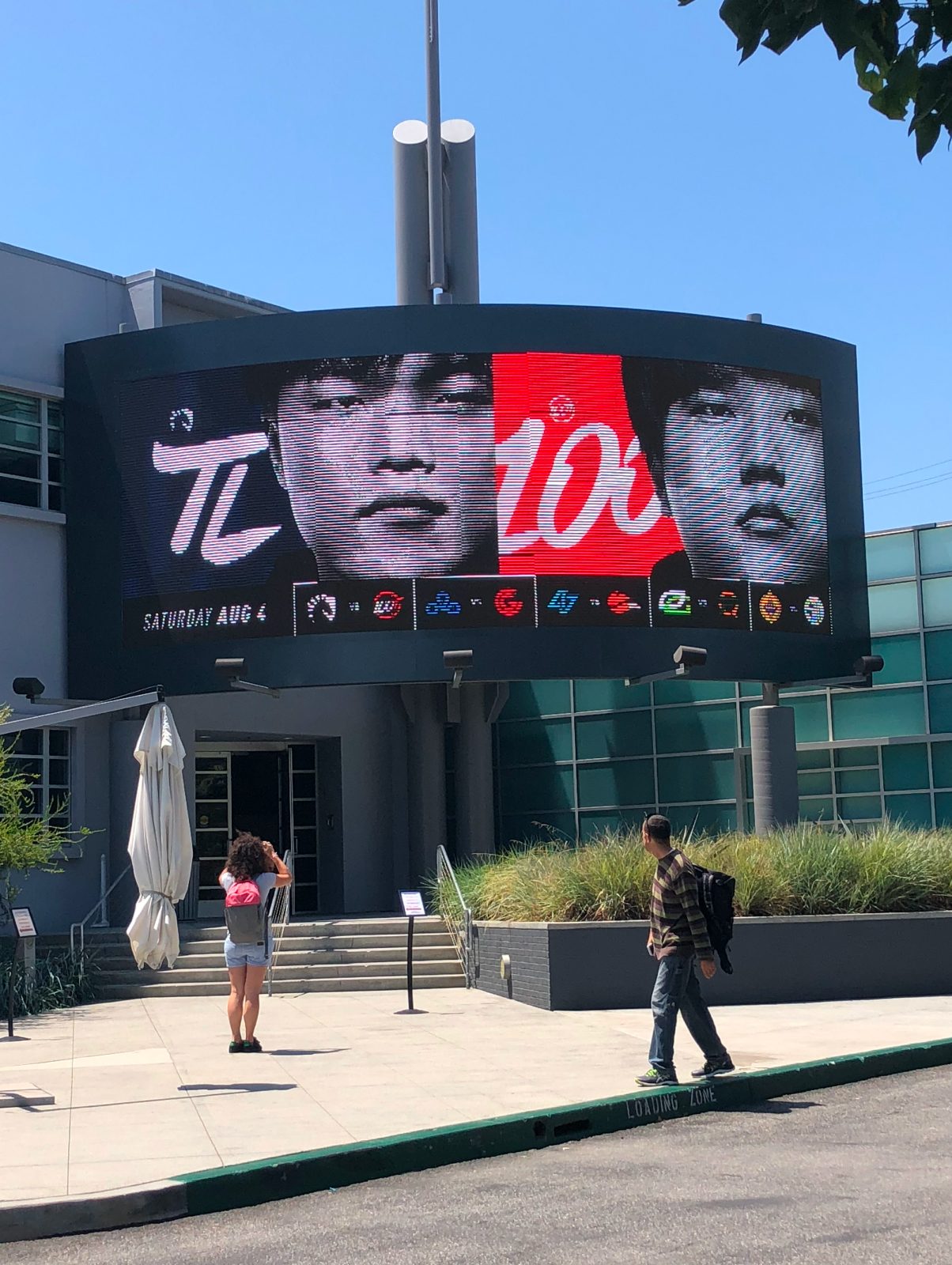
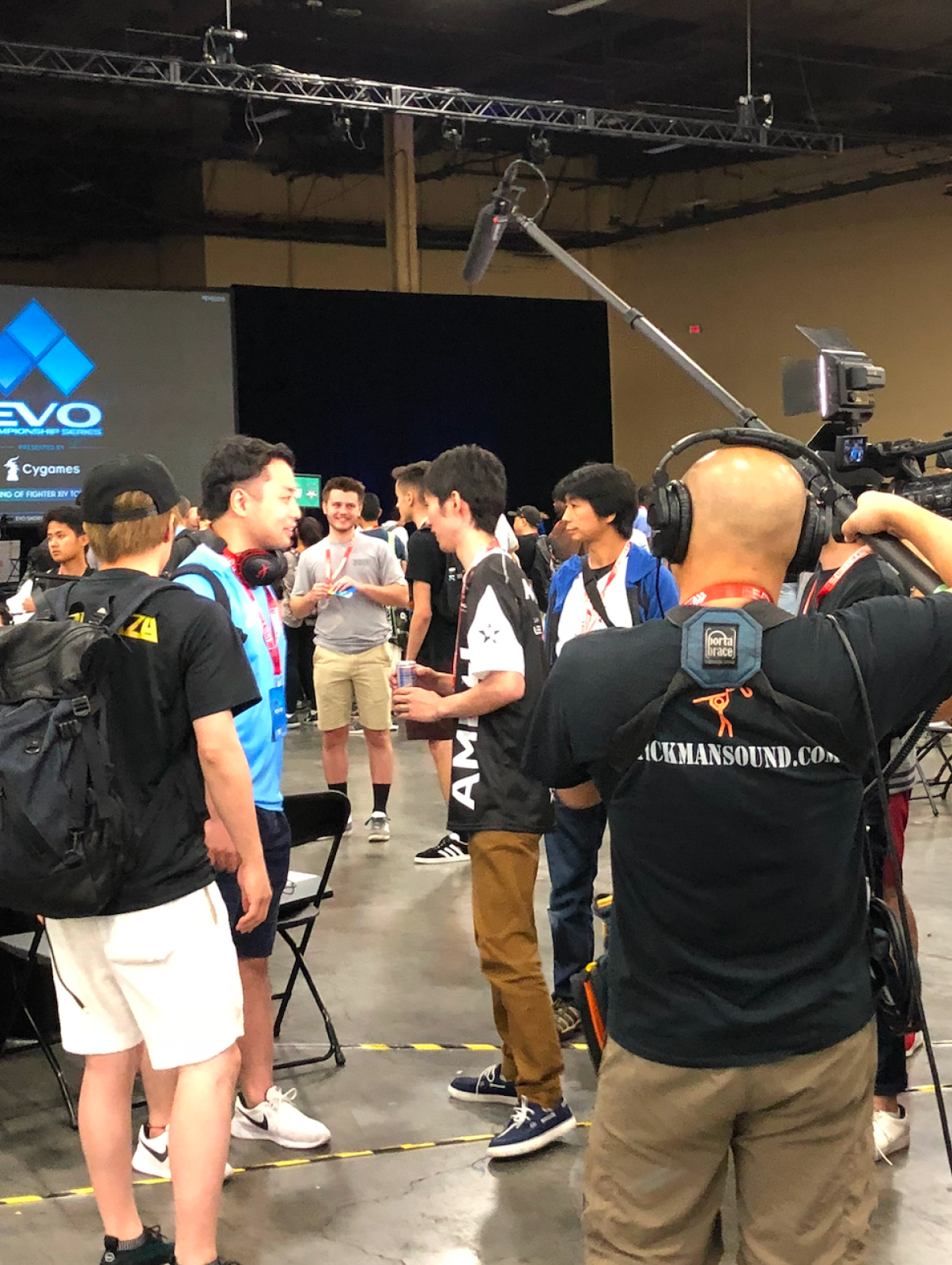
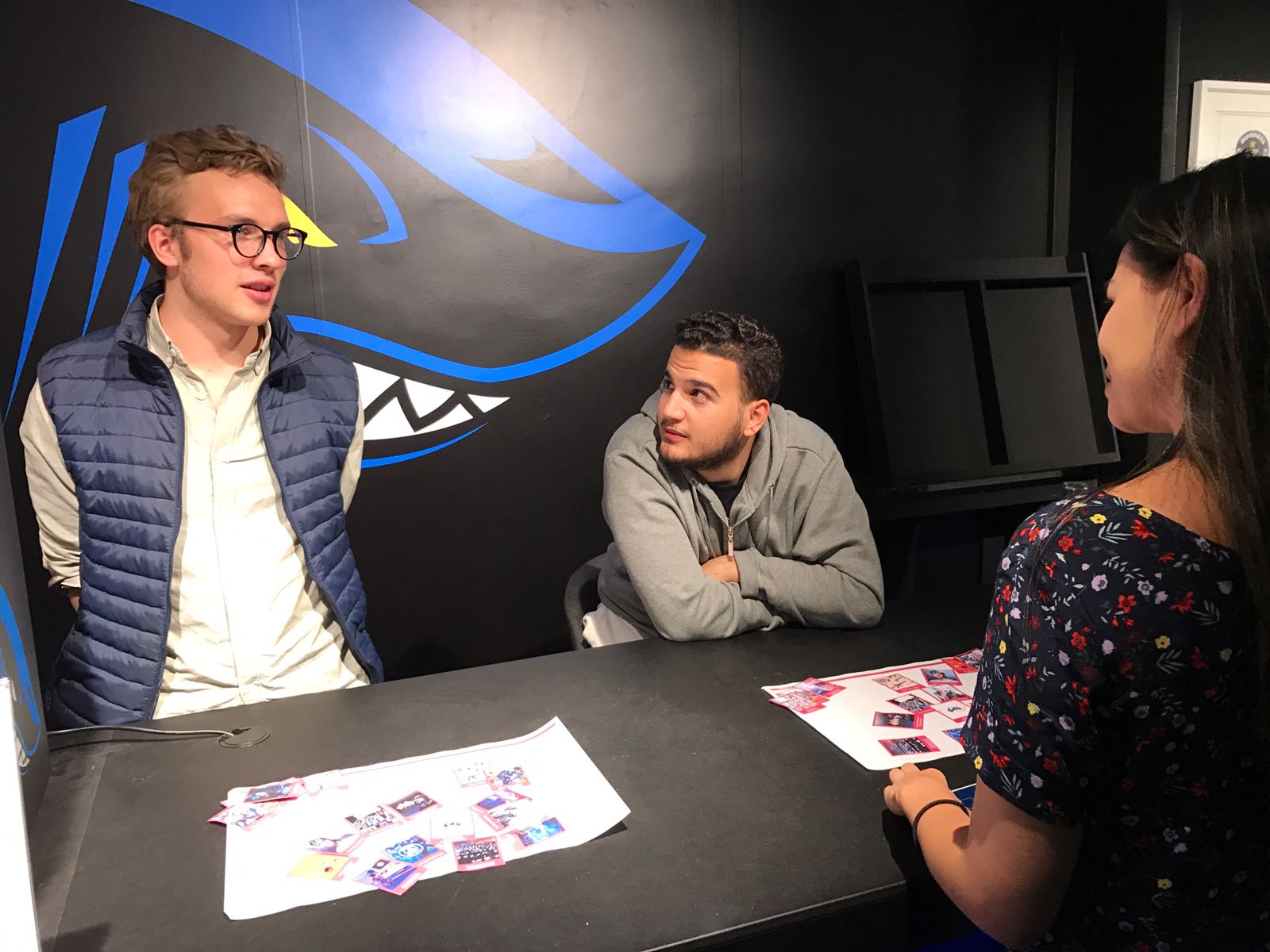
Field Ethnographic Research
We identified Stockholm, Paris, Seoul, Las Vegas and Los Angeles as cities to visit around the globe with a strong gaming cultures and communities. There we learned first hand about what it means to be an eSports athlete.
I conducted in-depth 1-1 interviews with individual players, observed team training sessions, and explored the broader social ecosystems for competitive gaming such as visiting tournaments and Gaming cafes for the Stockholm, Los Angeles and Las Vegas visits.
Research Findings
Trends observed amongst gamers across all five markets:
- Games are a means of self-expression, personal development, and cross-cultural connection
- Gaming helps them develop cross functional practical skills such as strategic thinking, communication, composure under pressure.
- Functionally and behaviorally, gamers were already operating as professional athletes
- At the time of the study, many athletic brands and athletic services just weren’t acknowledging this yet
Research Newsletter
We created a newsletter for every city visited to keep the client updated on our research activities. The newsletter included key interview quotes, insights and a small recap of the activities conducted throughout the city.

Design & Concepts
Innovation Inspiration Field Trip
I curated and led an innovation inspiration as a precursor to the concept workshop at The Milan Design Week in Milan, Italy, to inspire Puma's director of Innovation during the concept and ideation phase. Kits designed for Puma Innovation to Team that included the Agenda, a custom designed guide with exhibitions of interest and tools to help the track inspirations.
.jpg)
Concept Ideation Workshop
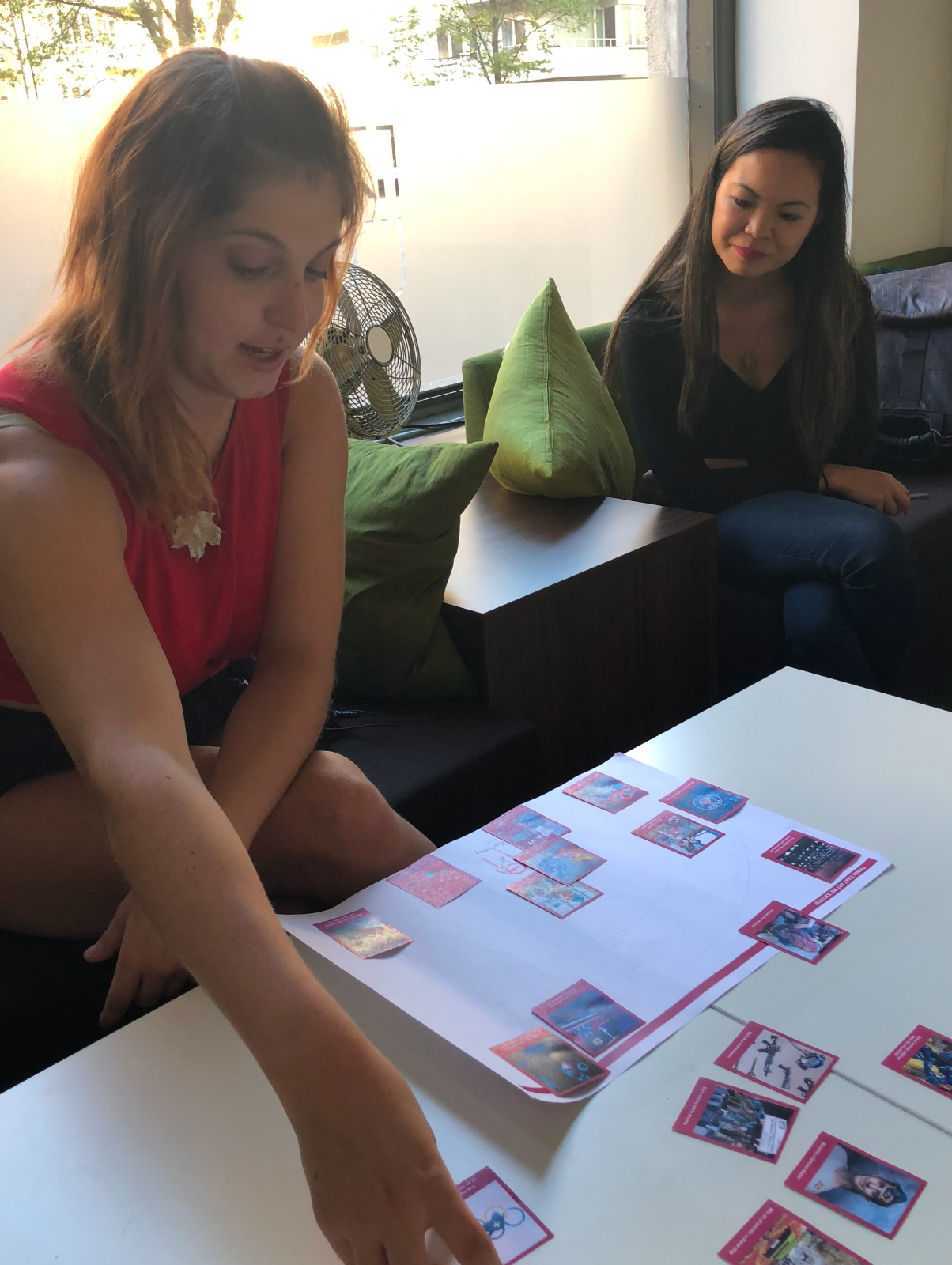
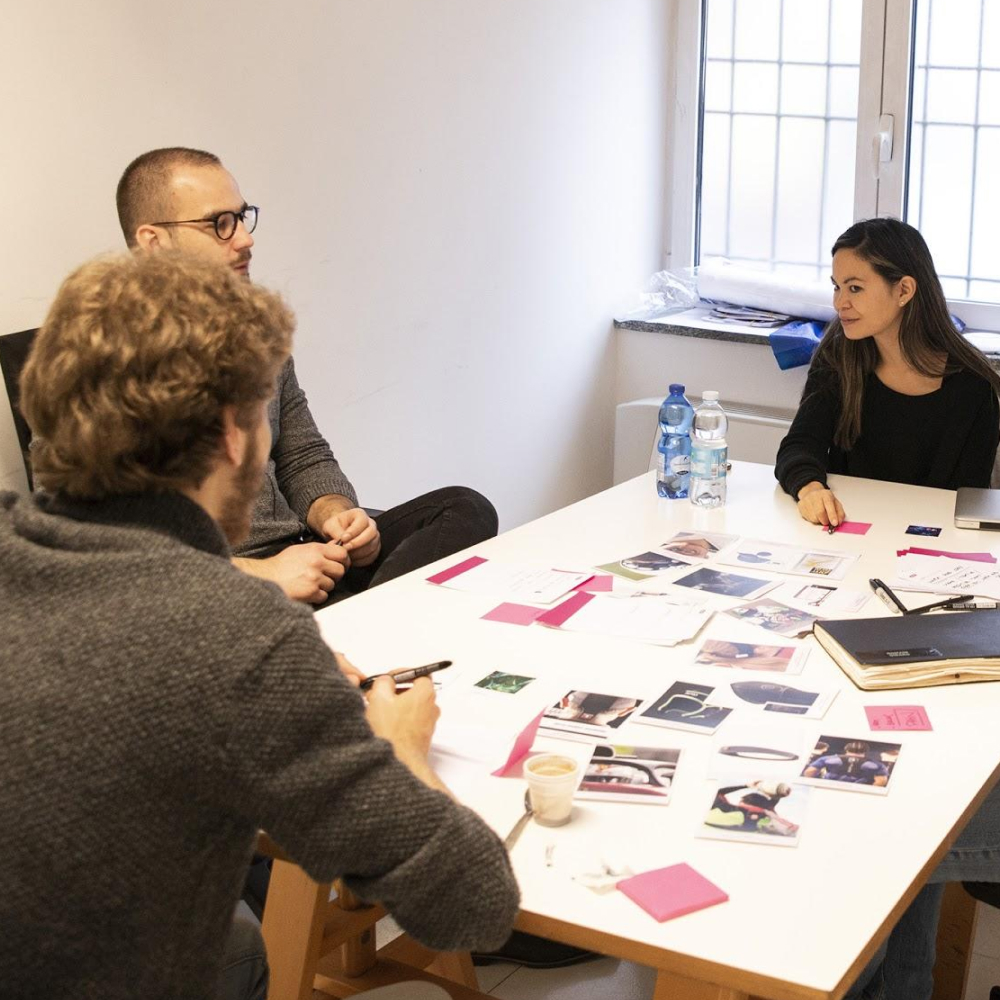
I co-led a series of concepting sessions that included members of Puma's design innovation team as well as product design professionals. A collaborative workshop with our design team, external innovation consultants, and the Puma innovation team generated product concepts and creative ideas for supporting both professional eSports gamers and enthusiasts. An opportunity map with design principles that was created during the research phases was used as a design framework for this workshop.
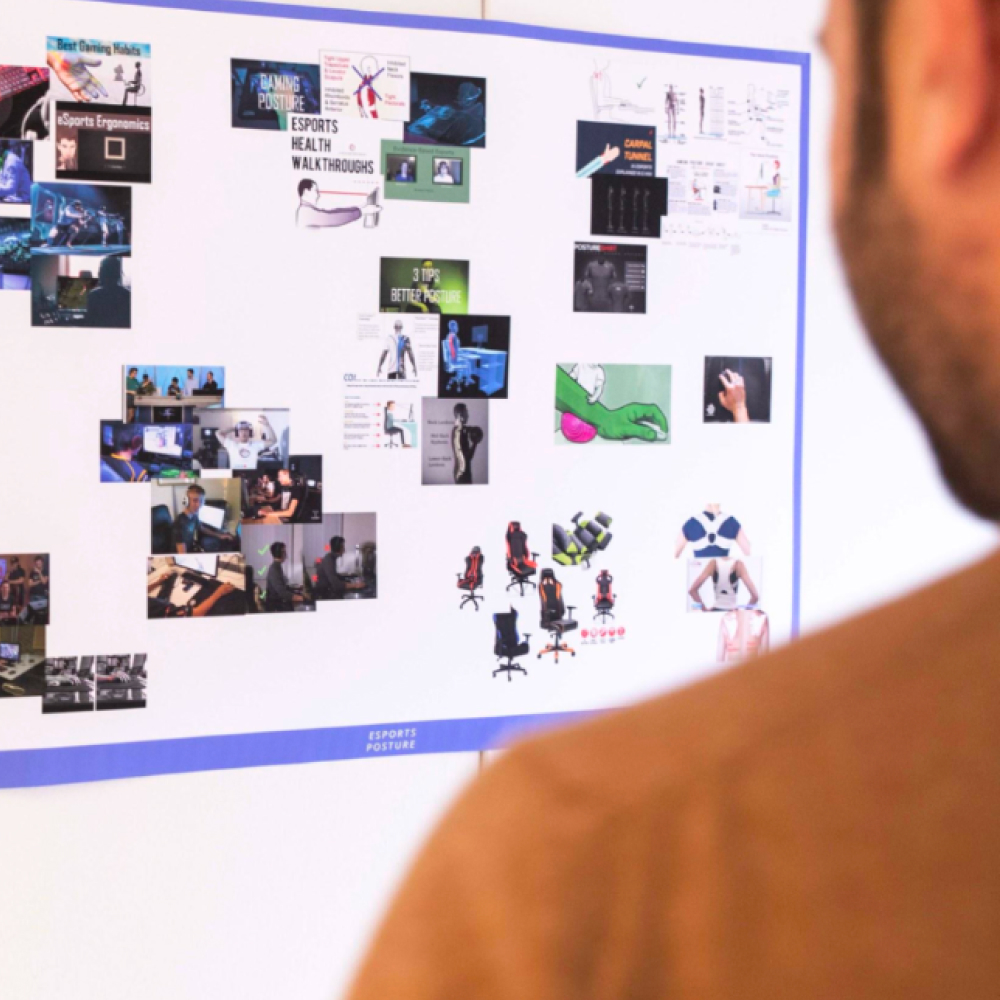


Idea Catalog
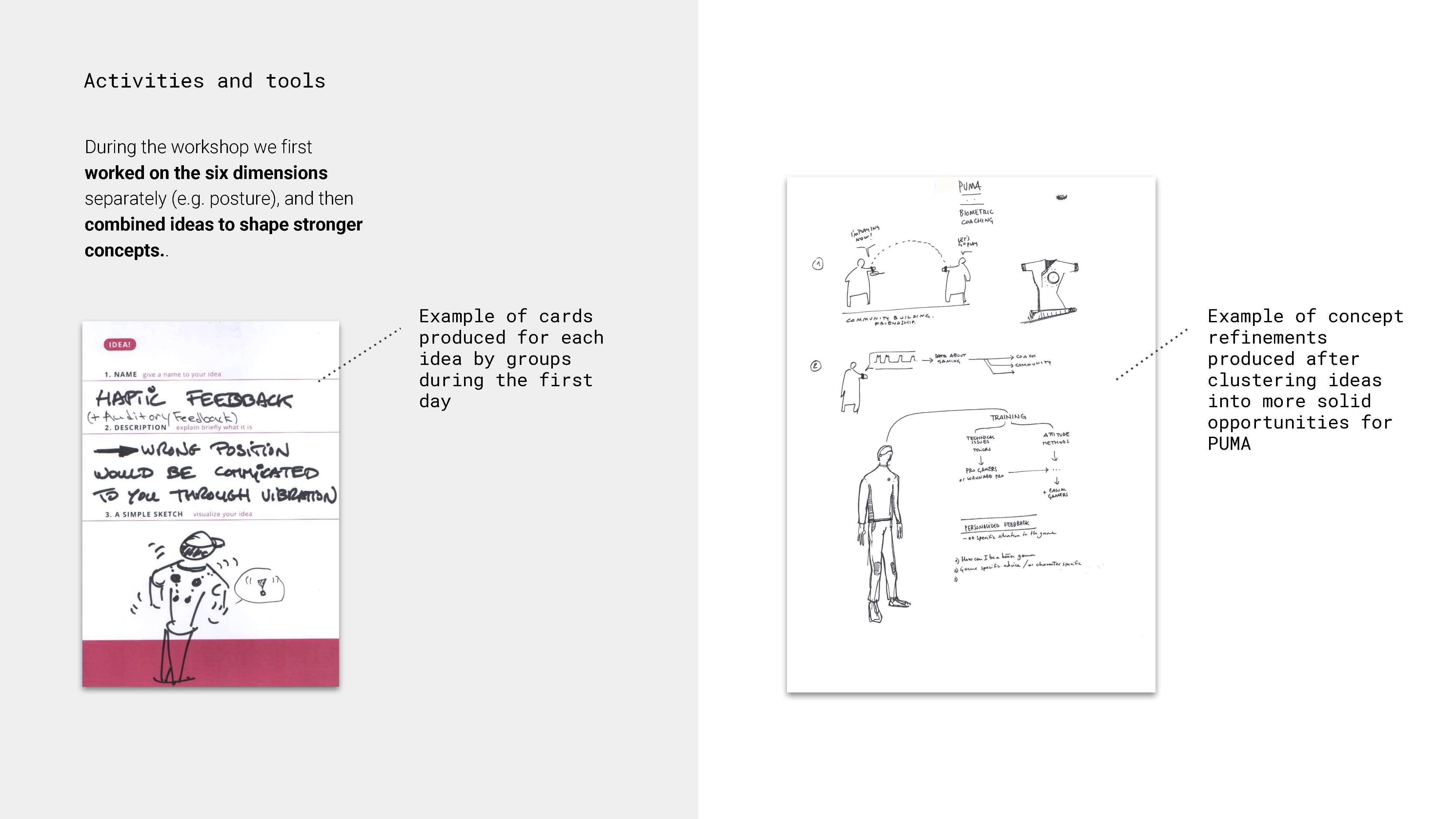
Ideas were refined and ellaborated upon before being compiled into an “idea catalog” to serve as seed ideas for the Puma marketing and innovation teams. A compendium of seed product concepts was compiled, including idea sketches, detailed descriptions, and target audiences.
Impact
This project anchored Puma's strategic direction coming out of the project and provided concrete foundations for:
- New partnerships and sponsorships within the eSports ecosystem
- New collections of performance apparel and accessories designed specifically for the competitive gaming context: