Photovogue is an International curated photography platform for discovering and advancing the work of emerging and underrepresented artists, connecting them with publishing and commission opportunities across 32 markets.
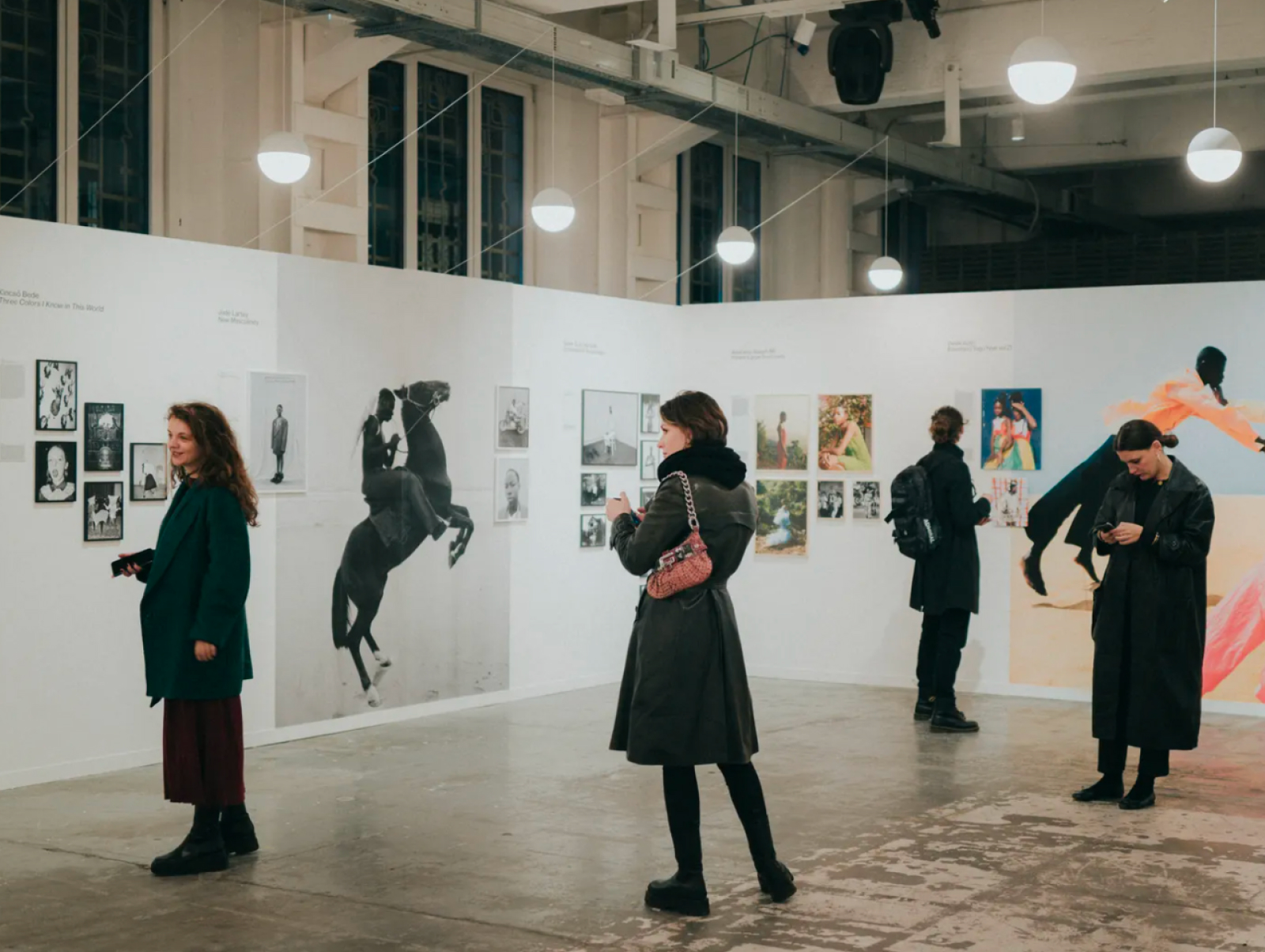
Launched by Vogue Italia in 2011, it saw years of growing success and became the catalyst for a brand that included events such as the Photovogue Festival, an annual event held in Milan, Italy.
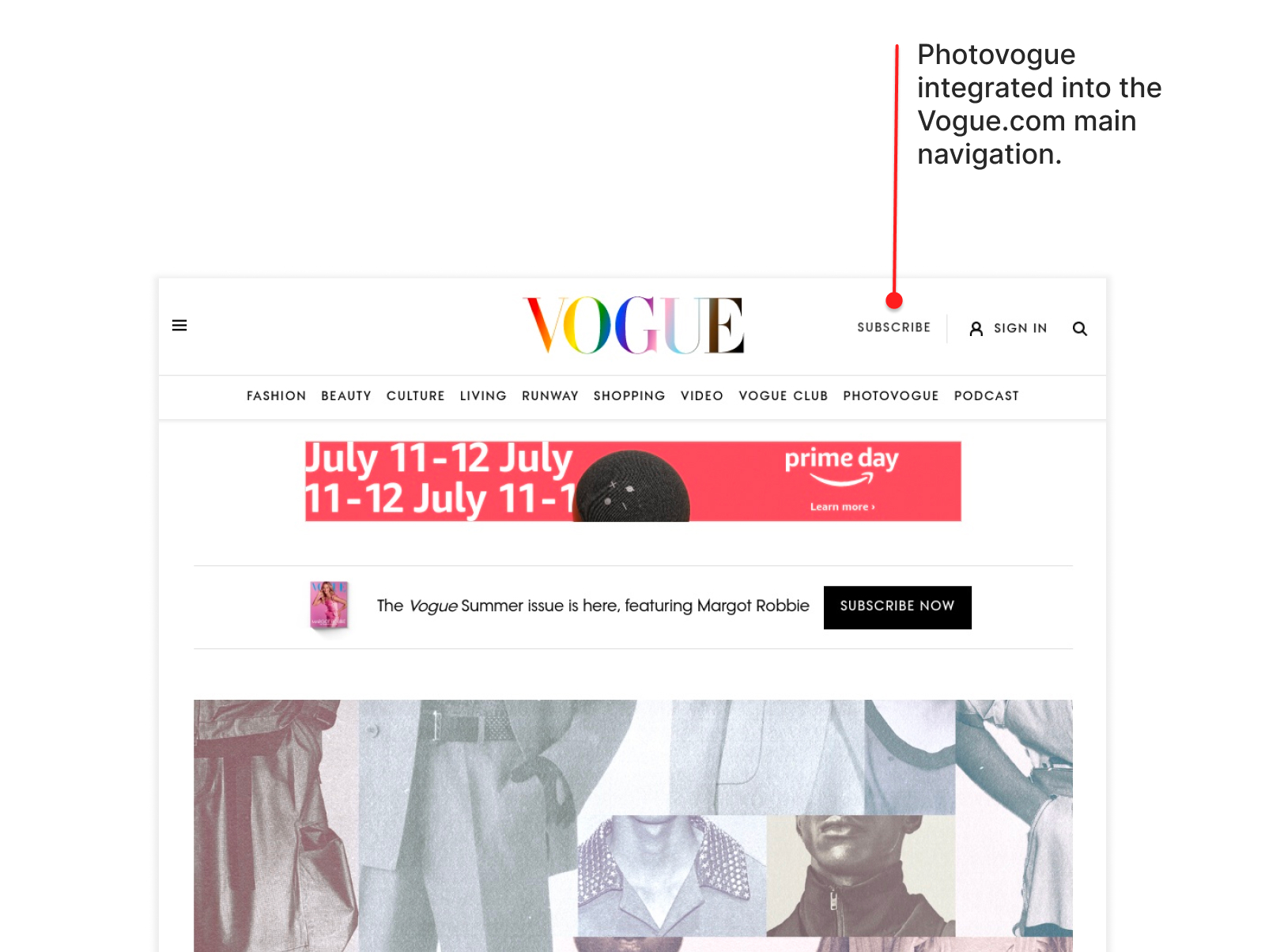
This success presented an opportunity for the broader Vogue International brand, elevating its reach and integrating it into Vogue.com's main product offerings.
The project required redesigning PhotoVogue for seamless integration with Vogue.com. The team developed a governance model aligned with Vogue International's technical standards, ensuring PhotoVogue.com retained its original identity.
Our team was tasked with scaling a country-specific project globally while preserving its core mission and values. This required a complete rebuild, as the brand's global product used a different platform and back-end system than the Italy-based product.
Legacy Italian Product: Photovogue.it
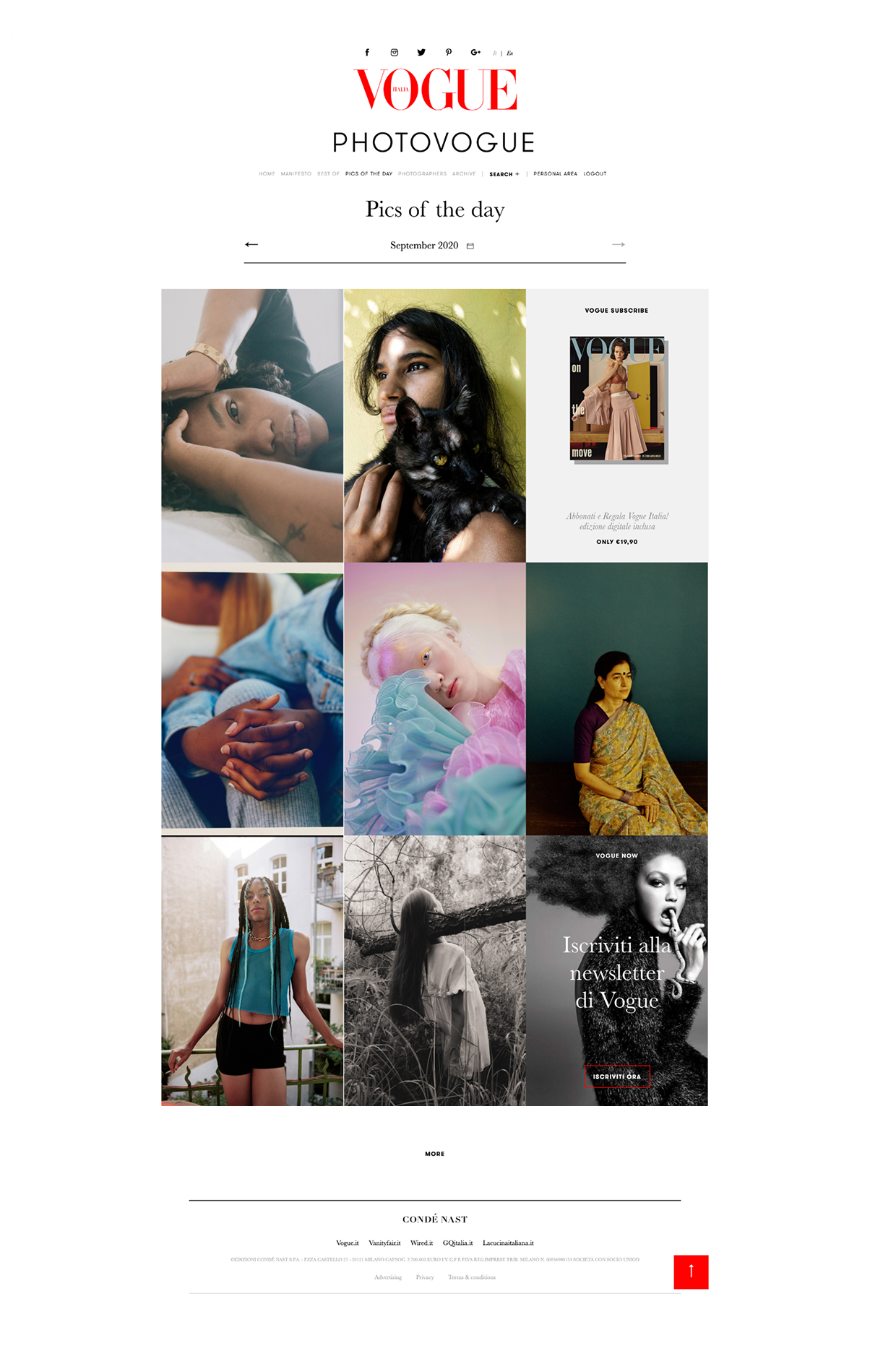
This initiative brought together distributed product design, engineering, and editorial teams across Italy, the U.S., the U.K., and India to align creative vision, technical architecture, and operational workflows under a shared product strategy.
We were faced with:
The existing governance only accomodated for editorial layouts and was not designed for a community platform environment. New pages needed to accomodate large quantaties of photographs, personal profiles, and templates that could be easily populated with use submitted data.
Below are examples of layouts from the vogue editorial layouts and constraints we needed to design within:
.jpg)
I explored different directions that used the existing vogue templates, alongside proposing new layouts and interactions. The editorial team initially wanted to incoporate additional art mediuims including video illustration, new mesia art and video. Due to the restrictive nature of the existing editorial layouts, I proposed nested navigations for the each art category.
Photographers Page
This page needed show a brief overview of each photographer and their photos in a way users could quickly skim through different profiles at a short glance while also being able to quickly filter through different profiles.

Fiters Page
This exploration considered all of the artwork together in one page with lefthand side filter nav instead of a longer top level navigation.
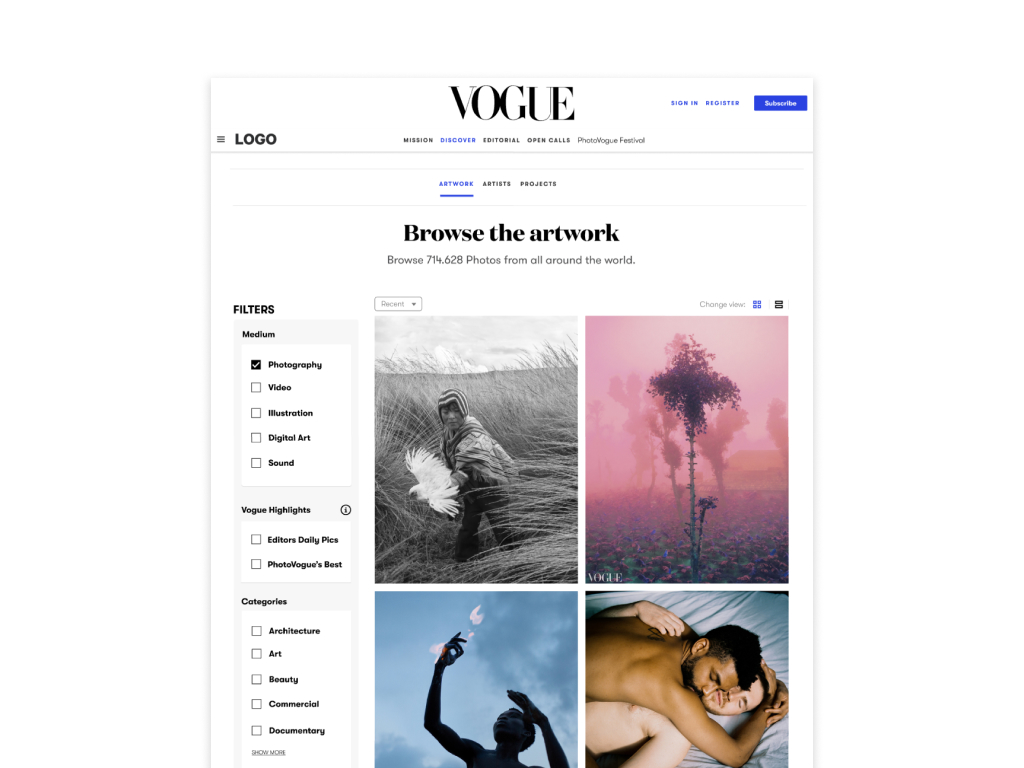
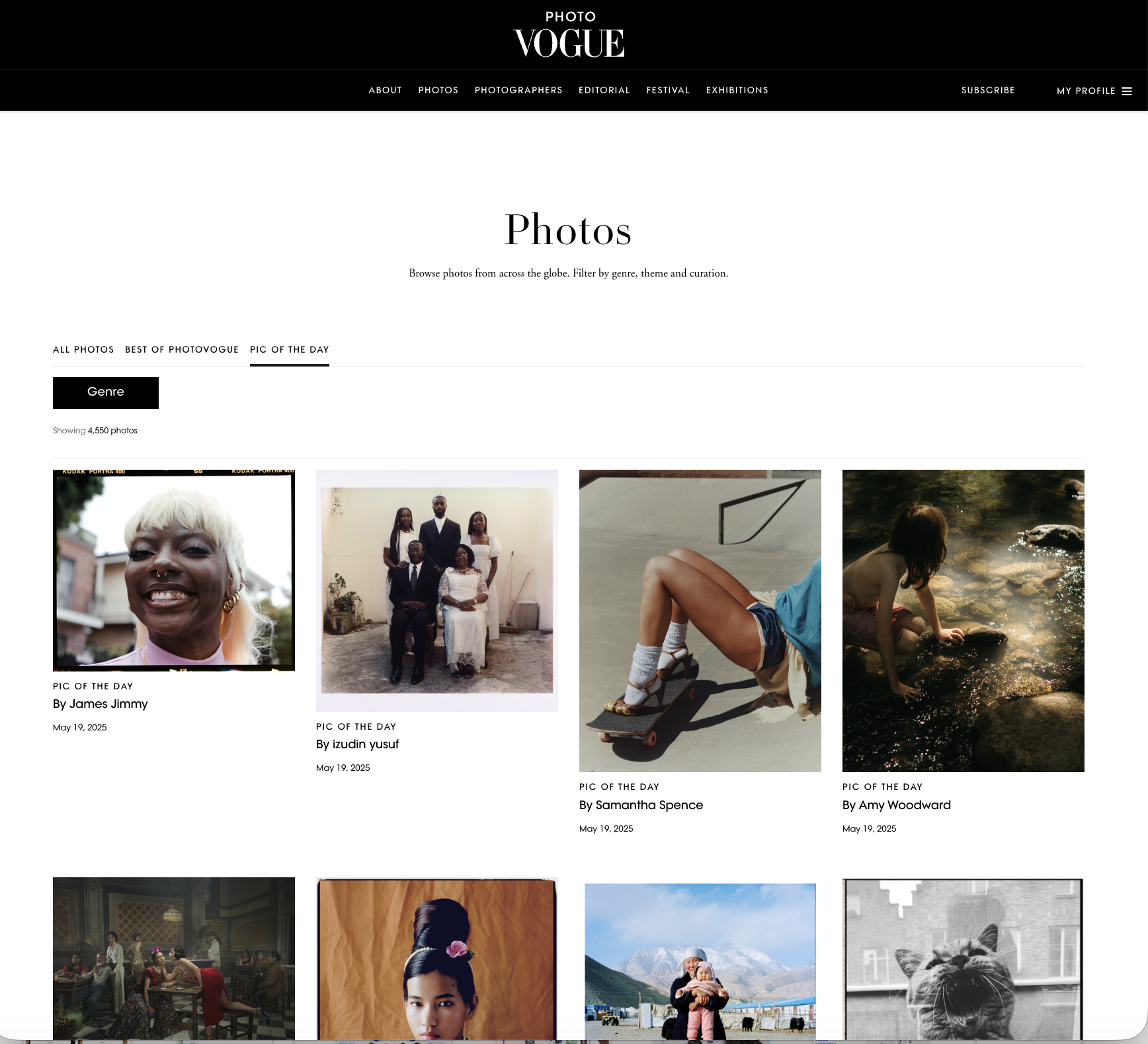
Photo Grid
How to use existing templates for the editorial platform to create a photo grid to display contributing designers photos. Each photo needed to include key specific information and and we were reduced to limited options for text formatting and text entry fields.
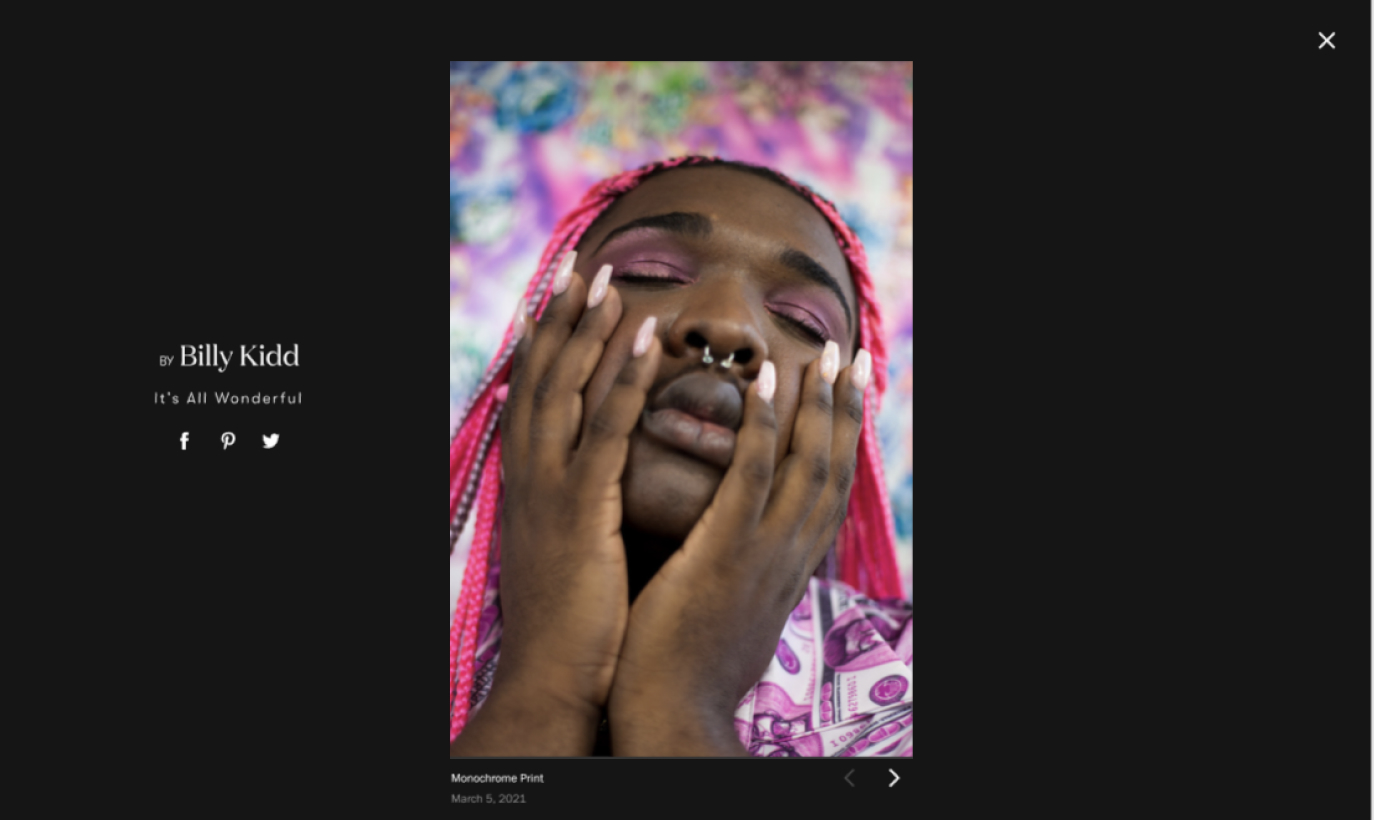
Lightbox
A clean lightbox featuring social media handles and easy navigation between pages.
Text was kept minimal and smaller fonts were used to ensure the artwork was the main focus.
Results
Today, the platform has grown into a global creative community of over 411,000 contributors and a curation team spanning over 120 experts in the field of visual arts. At the time it was over 180.000 users/photographers